Quality Spider Control Brampton service for homes and commercial properties
Quality Spider Control Brampton service for homes and commercial properties
Blog Article
Spiders can come in through narrow openings, follow insect food sources, and remain in secluded spots around a property. A few indoor spiders may not signal a larger concern, but ongoing sightings, recent webs, or egg sacs can point to a spider infestation.
Spider Control Brampton services give property owners a direct plan for spider removal and spider prevention. A qualified exterminator starts with a property inspection, identifies the factors attracting spiders, and recommends a treatment plan suited to the building. Mosquito Man is one business that provides pest control services for property owners who want professional help.
Effective spider extermination does more than remove visible spiders. It addresses entry points, insect activity, moisture, hiding areas, and ongoing spider activity. The right approach also changes between a family home, an office building, a retail space, and a warehouse.
Why Professional Spider Control Is Important
A spider infestation can develop around a reliable insect food source. Outdoor lighting may draw in moths and other flying insects. Moist basements, cluttered storage areas, and dense vegetation can also produce favourable conditions. Spiders track these conditions into buildings through closed cracks and gaps, vents, doors, windows, and utility openings.
Home remedies may eliminate a few visible spiders, but they seldom solve the source of the problem. A professional exterminator can assess hidden areas, find likely entry points, and select a spider control treatment based on the species and amount of activity.
Residential pest control considers comfort, household routines, and safe application around children and pets. Technicians may inspect living areas, garages, basement and attic spaces, window frames, and exterior walls. The goal is to lower spiders while also limiting the insects that attract them.
Commercial pest control must account for employees, customers, deliveries, food handling, storage, and operating hours. A licensed pest professional can plan a service schedule that reduces disruption. Documentation, inspection findings, and treatment instructions also help businesses manage their pest control responsibilities.
Professional pest control can be especially useful when you spot spiders in several areas, come across egg sacs, notice new webs each day, or continue seeing spiders after cleaning. It can also help when the building has challenging-to-reach voids, crawl spaces, or a large building perimeter.
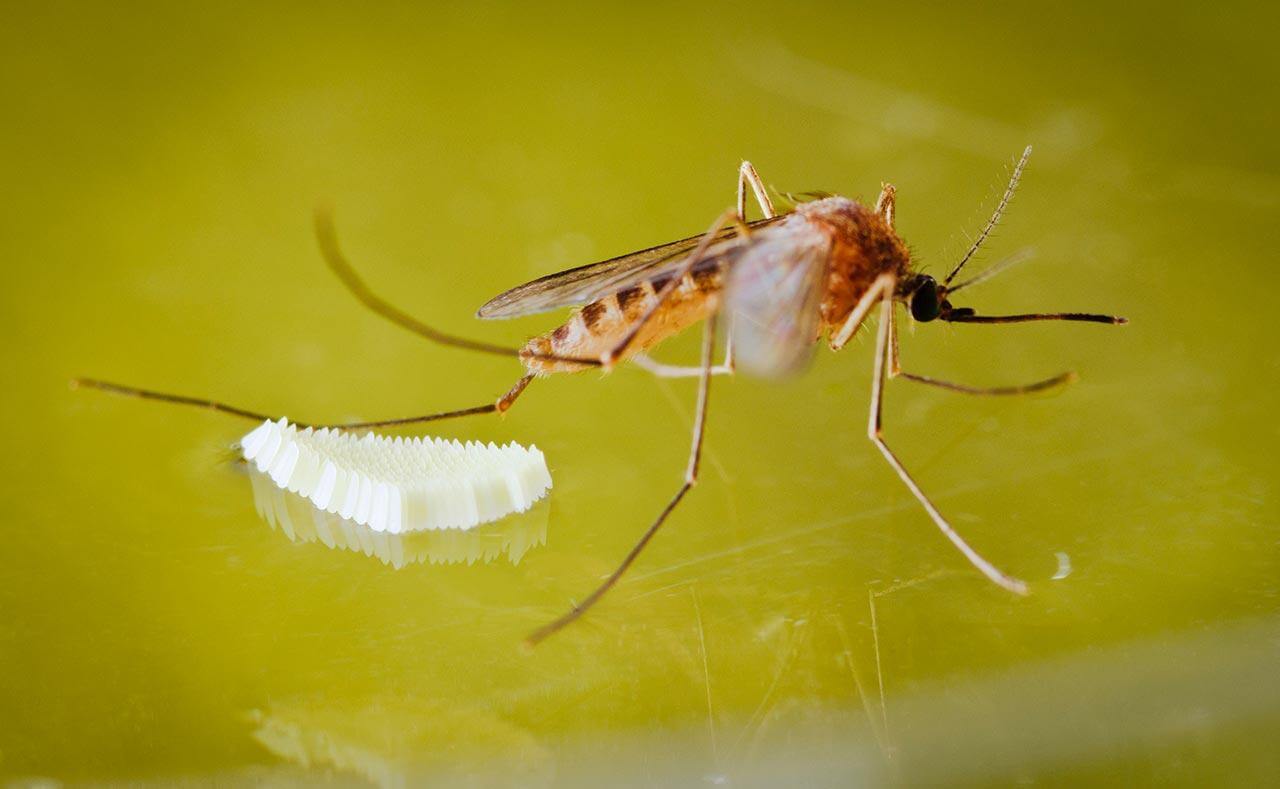
Common Spider Species Seen In and Around Buildings
Correct spider identification helps determine whether treatment is needed and where to direct the inspection. Many common spider species are harmless to people, but a significant number of spiders can indicate good hiding places and a strong insect food source.
Common house spiders often build irregular webs in corners, window frames, garages, sheds, and other low-traffic areas. They may remain near lights or openings where insects enter. Regular cleaning removes some webs, but recurring activity calls for a closer look at entry points and insect activity.
Orb-weaver species create big, round webs outdoors. You may find them between shrubs, fences, light fixtures, and building walls. They usually feed on flying insects and are not known for approaching people. Their presence can still reveal that outdoor lighting or vegetation is attracting insects near the structure.
Common wolf spiders do not depend on large webs to catch prey. They move across floors, foundations, lawns, and storage areas while hunting. Cracks near doors, garages, and foundation edges can give them access to indoor spaces. Their size can make a single sighting alarming, even though they generally stay away from people.
Cellar spiders are common in basements, utility rooms, garages, and other areas with little activity. Their long legs and loose webs make them easy to spot. High humidity, clutter, and small insects can support continued activity in these areas.
Indoor spiders and outdoor spiders may require different treatment steps. A technician considers the spider species, web locations, moisture, light sources, and nearby vegetation before planning a treatment.
Signs You May Have a Spider Infestation
A single spider does not necessarily mean you have an infestation. Recurring signs should not be ignored, especially when they appear in several rooms or around the exterior.
- Webs: Fresh webs in corners, window wells, light fixtures, ceiling joints, and storage areas show that spiders are active. A web that returns soon after cleaning suggests a nearby hiding area or entry point.
- Spider egg sacs: Small silk sacs may appear in webs, behind furniture, under shelving, or along foundation walls. Each sac can contain numerous developing spiderlings, depending on the species.
- Spiders in view: Seeing spiders during the day, finding them in living areas, or noticing several spiders in a short period may indicate movement from a basement, attic, crawl space, or exterior harborage.
- Increased insect activity: Flies, moths, mosquitoes, and other insects provide food. A rise in insect activity can support a growing spider population near doors, windows, lights, and exterior walls.
Keep a simple record of where and when you see spiders. Photos can help with identification. Note whether the activity is indoors, outdoors, or in both areas. This information gives the professional pest control technician a useful starting point for the inspection.
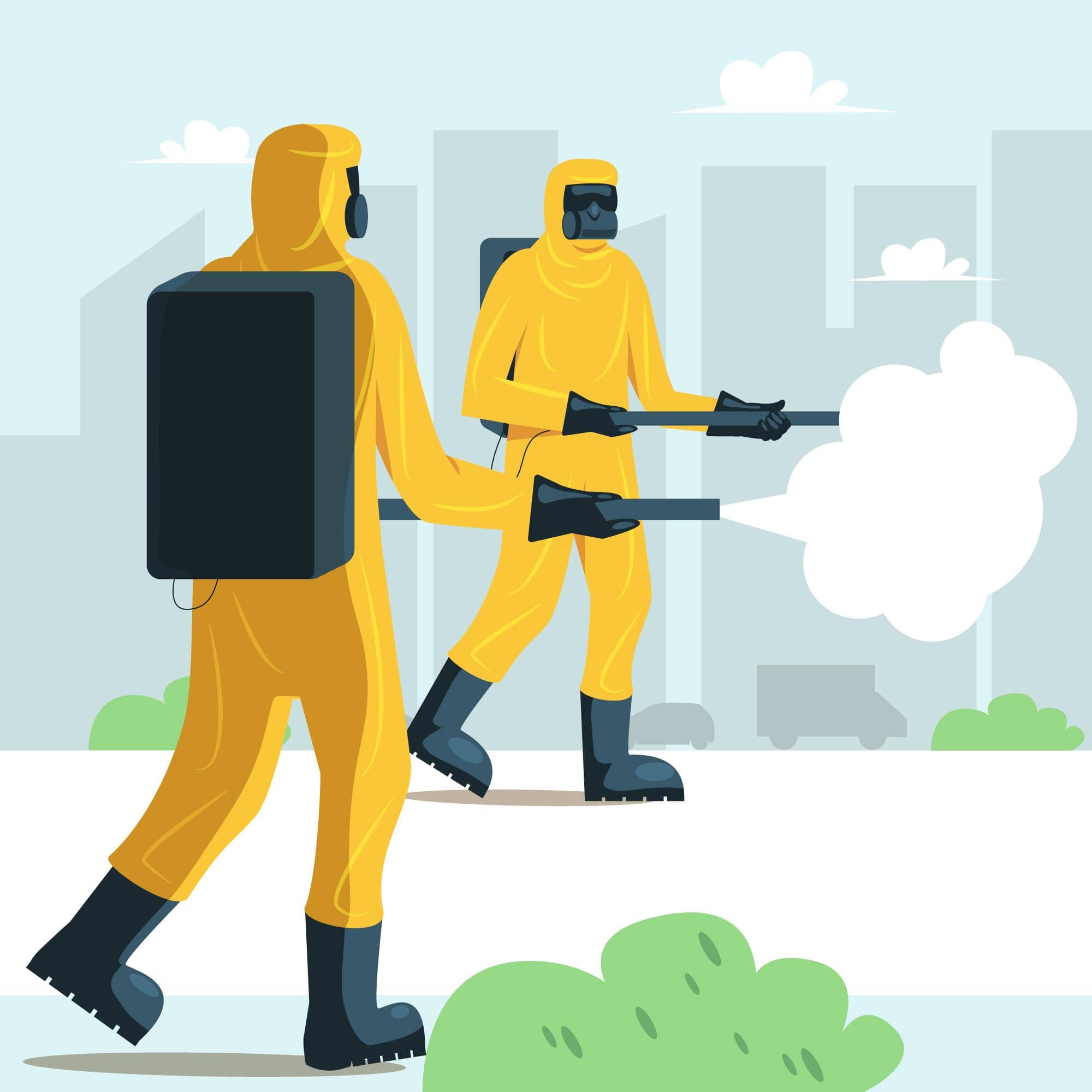
How Professional Spider Extermination Works
A professional spider control service should follow an inspection-first process. The technician first assesses the property, recent sightings, cleaning routines, renovations, moisture concerns, and previous treatments. The service then progresses through identification, treatment, prevention advice, and follow-up treatment when needed.
Inspection of Indoor and Outdoor Areas
A property inspection covers common spider hiding spots and the conditions that bring insects close to the building. Indoors, the technician may examine basements, attics, crawl spaces, utility rooms, garages, storage areas, window frames, and door thresholds.
The building exterior receives thorough attention as well. The technician may check the foundation, siding, roofline, vents, window wells, exterior lights, vegetation, and building perimeter. Gaps around pipes, cables, doors, and windows can act as access points.
The inspector may also look for moisture damage, condensation, standing water, leaking pipes, and poor drainage. These factors can help insect activity, which then provide food for spiders. A clear inspection report should explain where activity was found, what conditions support it, and which actions can limit future activity.
Spider Treatment Choices for Homes and Businesses
Treatment depends on the spider species, location, building use, and infestation severity. A technician may use a residual insecticide in approved areas where spiders travel or rest. This product remains active for a period after application, subject to the product label and site conditions.
Targeted crack and crevice service targets narrow gaps around frames, baseboards, utility openings, foundations, and other harbourage points. Focused treatment can limit excess product use and keep the work centred on areas linked to spider movement.
Web removal clears visible webs from eaves, corners, fixtures, and other accessible locations. This improves appearance and removes places where spiders may shelter or lay egg sacs. Web removal works best alongside exclusion and insect control.
An integrated pest management approach combines assessment, cleaning, exclusion, checking, manual removal, and carefully selected products. The process does not call for spraying every surface. It uses the least disruptive effective steps first, then adds treatment where inspection results supports it.
After service, the technician should describe what was treated, what you need to do next, and whether a follow-up service is recommended. A single visit may be enough for light activity. Repeated infestations, large properties, or conditions that continue to attract insects may require a planned plan.
House Control for Homes
Home spider control begins with the places spiders use to enter and hide. Check window screens for holes, make sure doors close tightly, and replace worn door sweeps. Pay attention to openings around plumbing, cables, vents, and foundation joints.
Clear clutter in basements, garages, closets, and storage rooms. Store boxes off the floor where possible. Remove spider webs and egg sacs when it is safe to do so, then dispose of the vacuum contents in a sealed bag. Regular cleaning removes visible activity, but it will not solve a continuing pest infestation on its own.
Preventing household pests also means reducing insects inside the home. Seal food, repair screens, manage garbage, and address leaks. Exterior lights near doors can attract insects that then draw spiders toward the entrance. A technician can suggest changes that fit your household and building design.
For stubborn activity, a spider control treatment may include targeted exterior work, crack and crevice treatment, web removal, and advice on sealed cracks and gaps. The treatment should be based on the inspection rather than applied as a routine blanket service.
Pest Management for Commercial Buildings
Commercial properties face different pressures. Office buildings often experience spider activity near doorways, loading zones, lower levels, and mechanical rooms. Retail spaces require clean areas for customers, clean display windows, and less disturbance during business hours.
Storage facilities often contain dark storage zones, loading doors, stored pallets, wall openings, and elevated ceilings. These areas can give spiders a hiding place while active doors and exterior lighting draw insects. A technician may recommend monitoring, exclusion work, scheduled web removal, and specific applications.
Customer-facing areas need extra care. Webs around signage, doorways, show windows, and patio seating can affect how customers view the property. Service timing should align with business hours and allow staff to carry out all service directions.
A commercial pest control plan may include a documented inspection, service records, recommendations for structural repairs, and a follow-up treatment schedule. Businesses should tell the dig this service provider about food areas, delicate equipment, cleaning practices, and any entry limits before the scheduled service.
How to Prevent Spiders from Returning
Prevention works best when you deal with both the building and the surrounding property. Start with the conditions that help spiders and their insect food source.
- Review exterior lighting: Use fixtures that direct light downward and keep lights away from doors where practical. Reduce unnecessary lighting overnight if site safety allows.
- Maintain vegetation: Prune shrubs, vines, and tree branches away from walls, windows, and rooflines. Remove leaf litter and dense debris beside the foundation.
- Practise moisture control: Repair leaks, improve drainage, empty containers that collect water, and use ventilation or dehumidification in damp areas. Moisture control can reduce insects that attract spiders.
- Close gaps: Add caulking around windows, doors, pipes, vents, and utility openings. Repair damaged screens and install tight-fitting door sweeps.
- Check the perimeter: Keep firewood, stored materials, and unnecessary debris away from exterior walls. Clean eaves, ledges, and light fixtures on a regular schedule.
A protective barrier may help around suitable exterior areas, but it should not replace repairs or cleaning. Ask the technician which recommendations matter most for your property. Small changes, such as replacing a damaged screen or moving stored items away from a wall, can reduce future access.
Safe Spider Treatments for Families and Pets
Pet-safe pest control begins with accurate information about the products, application sites, and required precautions. No treatment should be described as risk-free. Safety depends on the product label, the application method, ventilation, and whether people or animals enter treated areas too soon.
Before service, tell the technician about children, pets, aquariums, birds, allergies, and medical concerns. Follow all treatment instructions. You may need to remove pet food and water bowls, cover items, secure toys, and keep pets away from the work area.
The technician should give you the required re-entry time and tell you when surfaces are safe to access. Do not allow children or pets into treated areas until that time has passed and the area is ready for normal use.
A safe application uses the right product in the right location and at the correct amount. Targeted treatment, crack and crevice treatment, web removal, exclusion, and moisture control can reduce the need for broad applications. Ask questions before the service begins if any instruction is confusing.
Spider Control Costs and Treatment Timing
Treatment cost varies because each property presents unique conditions. Property size affects the time needed for inspection and application. A detached home, office building, and warehouse cannot be priced by the same simple measure.
Infestation severity also affects cost. Light activity may require one visit and routine prevention tips. Heavy webbing, multiple active areas, egg sacs, difficult access, or a continuing insect problem may call for more work and a return treatment.
Service frequency depends on the building, season, surrounding conditions, and results after the first visit. Some customers need a single spider removal visit. Others benefit from recurring inspections and scheduled preventive treatments, especially when the property has persistent moisture, many exterior lights, open loading doors, or dense vegetation.
Ask for a written estimate that outlines the service area, preparation steps, treatment method, warranty or follow-up terms if offered, and any conditions that could change the treatment cost. A reliable quote should follow an inspection or include clear limits on what the quoted service covers.
Do not wait for activity to spread through several rooms or business areas. Early professional treatment can make the work more manageable. If spiders continue to appear after service, contact the provider and request a review of the treatment plan rather than applying extra products yourself.
Questions We Hear Often
Which spider types are common in Brampton?
Spiders commonly found around buildings include indoor house spiders, orb-weaving spiders, ground-hunting wolf spiders, and cellar spiders. House spiders and cellar spiders often appear indoors in quiet areas. Orb-weaver spiders usually build webs outdoors, while wolf spiders travel across floors, foundations, lawns, and storage areas. Accurate spider identification helps a technician select the right inspection and treatment steps.
Can spiders in Brampton be dangerous?
Most spiders found around homes and businesses are not dangerous to people and usually avoid contact. A bite can happen if a spider is trapped against skin, but many marks blamed on spiders have another cause. Do not touch unfamiliar spiders. If a bite causes severe pain, swelling, breathing trouble, or other serious symptoms, seek medical care promptly.
How can I prevent spiders from entering my home?
Repair window screens, install door sweeps, seal cracks and gaps, and close openings around pipes, vents, and cables. Clear clutter, manage moisture, trim vegetation away from walls, and limit unnecessary exterior lighting near entrances. These prevention methods limit both spider entry and the insect food source that feeds activity.
When should I hire a spider control expert?
Call a professional when spider sightings are frequent, webs come back soon, egg sacs appear, or activity continues after cleaning. Professional help is also suitable when spiders are present in several areas, you cannot access the suspected source, or the property has children, pets, customers, or sensitive operations that require a carefully managed treatment plan.
What is the cost of spider control in Brampton?
The cost depends on property size, infestation severity, spider species, access, treatment areas, and service frequency. A small home with limited activity may need less work than a large property with recurring activity in basements, attics, exterior walls, or storage areas. Ask for an inspection and written quote before approving service.
Are spider treatments safe for pets?
Several treatment products can be applied safely when the technician follows the product label and you observe the treatment instructions. Keep pets away from the work area, remove food and water bowls, and respect the stated re-entry time. Tell the provider about every pet, including fish, birds, and reptiles, before treatment begins.
What is the treatment time for spider infestations?
An initial inspection and targeted treatment may be completed during one service appointment, subject to availability and property access. Visible spider removal can happen quickly, but reducing recurring spider activity may take longer when egg sacs, insect activity, moisture, or entry points remain. A follow-up treatment may be advised to assess results and respond to new activity.
Which areas around my home attract spiders?
Spiders often collect near exterior lights, dense vegetation, wood piles, leaf litter, foundation cracks, window wells, damp basements, garages, sheds, and cluttered storage areas. These locations provide protection or bring in insects. Improving moisture control, moving stored materials away from walls, trimming plants, and sealing gaps can make the property harder to occupy for spiders.
Report this page